Protein Post Translational Modification Ppt / Translation And Post Translational Modifications : In the human body these ptms increases the diversity and accuracy of proteins.. Only one known, consists of one or two polypeptidic chains, with m.w. Protein activity and turnover is tightly and dynamically regulated in living cells. It can impact the structure, electrophilicity and interactions of. For any given protein, a variety of ptms offer a way to facilitate rapid cellular changes by altering the structure and function of the protein. Ptm at multiple sites on a protein.
For any given protein, a variety of ptms offer a way to facilitate rapid cellular changes by altering the structure and function of the protein. Post translational modifications or ptms are involved in modifying the protein structure after they have been translated according to information on the mrna. Types of post translational modifications: Ptm at multiple sites on a protein. In the human body these ptms increases the diversity and accuracy of proteins.
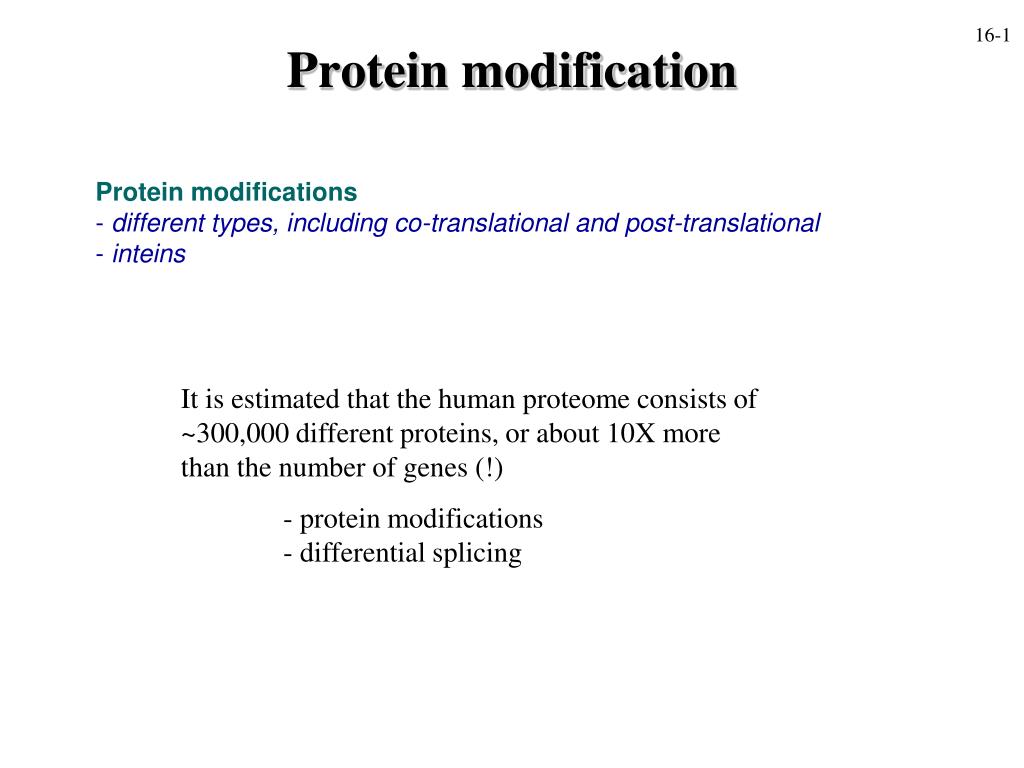
Ppt Protein Modification Powerpoint Presentation Free Download Id 441828 from image.slideserve.com Ptm at multiple sites on a protein. Understanding roles and mechanisms of protein posttranslational modifications (ptms) would greatly impact multiple scientific domains, from bioengineering to biomedical science. Not only does the proteomic alphabet contain more letters. Ptms are known to interfere with drug action and influence biochemical networks of engineered organisms. Post translational modifications or ptms are involved in modifying the protein structure after they have been translated according to information on the mrna. A key role in functional proteomics. It can impact the structure, electrophilicity and interactions of. • key role in functional proteomics.
Protein activity and turnover is tightly and dynamically regulated in living cells.
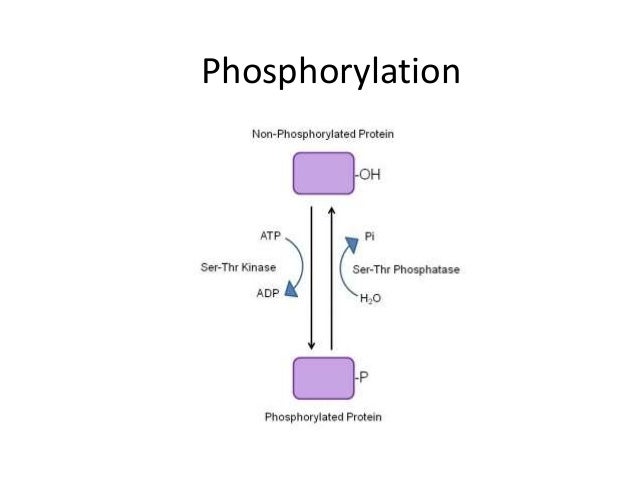
Ptms are known to interfere with drug action and influence biochemical networks of engineered organisms. Post translational modifications refer to any alteration in the amino acid sequence of the protein after its synthesis.; It may involve the modification of the amino acid side chain, terminal amino or carboxyl group by means of covalent or enzymatic means following protein biosynthesis. Learn about the numerous ways that proteins can be modified after translatio. Drazic, a., and winter, j. Only one known, consists of one or two polypeptidic chains, with m.w. • key role in functional proteomics. Post translational modifications of proteins 2. By the covalent addition of functional groups to proteins, proteolytic cleavage of regulatory subunits or degradation. ) i've already paid for this presentation and would like to view it now. • it is the chemical modification of protein after its translation. Once a mrna has been translated into protein, the processing doesn't stop there. Post translational modification presentation transcript:
Only one known, consists of one or two polypeptidic chains, with m.w. • they regulate activity, localization and interaction with other cellular molecules such as proteins, nucleic acids, lipids and cofactors. Protein synthesis occurs during a process called 'translation'. For example, many proteins are modified shortly after translation is completed to mediate proper protein folding or stability or to direct the nascent protein to distinct cellular compartments (e.g., nucleus, membrane). Many ptm sites have been identified, but it remains unclear under which conditions these sites are modified.
Post Translational Modifications Of Protein from image.slidesharecdn.com This brief review highlights recent research implicating reversible protein methylation in cellular signaling. Merged into a single powerpoint (.ppt) file. Mass spectrometry and proteomics facility. Ptm at multiple sites on a protein. By the covalent addition of functional groups to proteins, proteolytic cleavage of regulatory subunits or degradation. For example, many proteins are modified shortly after translation is completed to mediate proper protein folding or stability or to direct the nascent protein to distinct cellular compartments (e.g., nucleus, membrane). A key role in functional proteomics. Post translational modifications of proteins 2.
) i've already paid for this presentation and would like to view it now.
Protein synthesis occurs during a process called 'translation'. • key role in functional proteomics. ) i've already paid for this presentation and would like to view it now. Ptms are known to interfere with drug action and influence biochemical networks of engineered organisms. You can view it all now for just $ ( more info. Post translational modifications or ptms are involved in modifying the protein structure after they have been translated according to information on the mrna. • they regulate activity, localization and interaction with other cellular molecules such as proteins, nucleic acids, lipids and cofactors. Ptm at multiple sites on a protein. Only one known, consists of one or two polypeptidic chains, with m.w. And this concludes its free preview. For example, many proteins are modified shortly after translation is completed to mediate proper protein folding or stability or to direct the nascent protein to distinct cellular compartments (e.g., nucleus, membrane). In the human body these ptms increases the diversity and accuracy of proteins. By the covalent addition of functional groups to proteins, proteolytic cleavage of regulatory subunits or degradation.
105 kda per chain, very conservative protein •e2: This brief review highlights recent research implicating reversible protein methylation in cellular signaling. You can view it all now for just $ ( more info. Mass spectrometry and proteomics facility. Posttranslational modification (ptm) of proteins, being one of the later stages in protein biosynthesis, refers to the reversible or irreversible chemical changes proteins may undergo after translation.
Post Translational Modifications Of Protein from cdn.slidesharecdn.com It can impact the structure, electrophilicity and interactions of. Merged into a single powerpoint (.ppt) file. Ptm at multiple sites on a protein. Post translational modifications of protein 1. Ptms are important components in cell signaling, as for example when prohormones are converted to hormones. Many ptm sites have been identified, but it remains unclear under which conditions these sites are modified. The instructor will upload each group presentation for the class to view in canvas. Once complete, the presentations should be sent to the instructor electronically.
The instructor will upload each group presentation for the class to view in canvas.
The instructor will upload each group presentation for the class to view in canvas. And this concludes its free preview. • key role in functional proteomics. Ptm at multiple sites on a protein. ) i've already paid for this presentation and would like to view it now. A key role in functional proteomics. Protein activity and turnover is tightly and dynamically regulated in living cells. Merged into a single powerpoint (.ppt) file. • they regulate activity, localization and interaction with other cellular molecules such as proteins, nucleic acids, lipids and cofactors. By the covalent addition of functional groups to proteins, proteolytic cleavage of regulatory subunits or degradation. Post translational modifications or ptms are involved in modifying the protein structure after they have been translated according to information on the mrna. 105 kda per chain, very conservative protein •e2: Such secondary level changes to haemostatic proteins have wide ranging effects on their ability to interact with other proteins.